This week felt slower than planned. Not just on the bike, but mentally too.
I started training cautiously, partly because I was sick last week, and partly because December happened. Between working through Christmas and then going straight on holiday, I’ve effectively missed three of the last four weeks of structured training. Not ideal; but also not something I can magically undo either.
I logged my illness in the JOIN app, which triggered an unexpected consequence: JOIN completely blocked my training for two weeks. This isn’t the first time this has happened; every time I log an outdoor ride of more than 100 km, it removes all training for that week. The lesson learned here is that the algorithm / AI is extremely conservative, almost overprotective, and clearly not designed with ultra-endurance athletes in mind. What might be sensible caution for a recreational athlete becomes a real limitation when you’re training for very long events.
Software troubles
After having issues with eTrex jitter, I decided to invest into a proper cycling computer, opting for the Wahoo Roam v2, because of the ability to display custom cues along the route. I normally prepare my route in Ride with GPS, and mark down some stores along the way. It makes for very easy navigation, and also there’s a huge mental benefit of seeing you only have 35k to go to the next warm stop, instead of 175k to the end of your ride. Especially now that we ride the tandem together, my job is to navigate, and make sure we keep stocked up on food and water.
The custom cues on the Wahoo worked flawlessly for about six months, until my training ride on the fifth of December. During that ride, I noticed that somehow the list with custom cues was empty. I recreated the route several times, using both custom cues and waypoints, alas to no avail. After a lot of searching on the internet, I found out that my unit had done an automatic update. Now, instead of taking the cues from the route I made in Ride with GPS, the unit removes all cues and recalculates them on the device itself, resulting in an empty custom cue list.
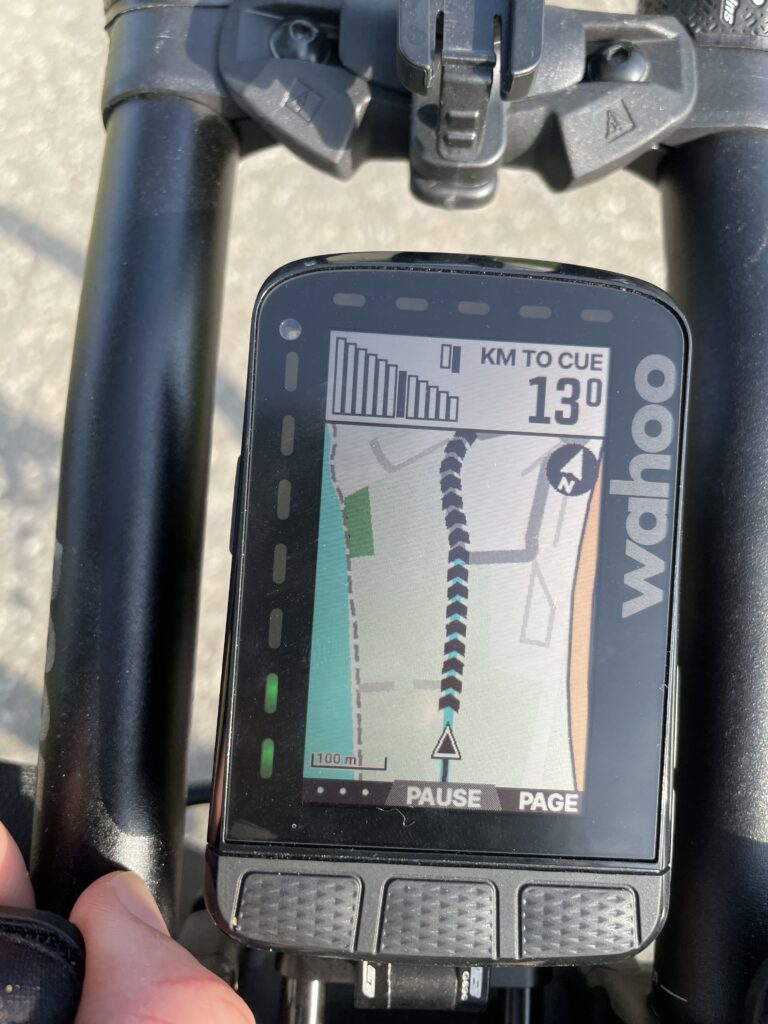
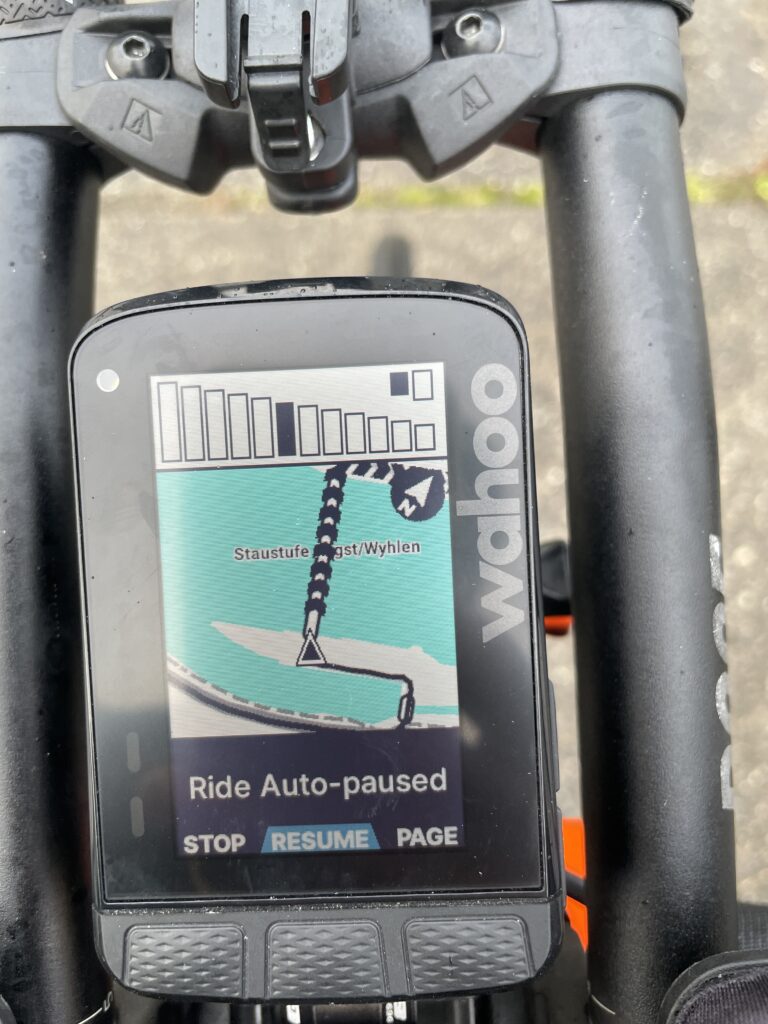
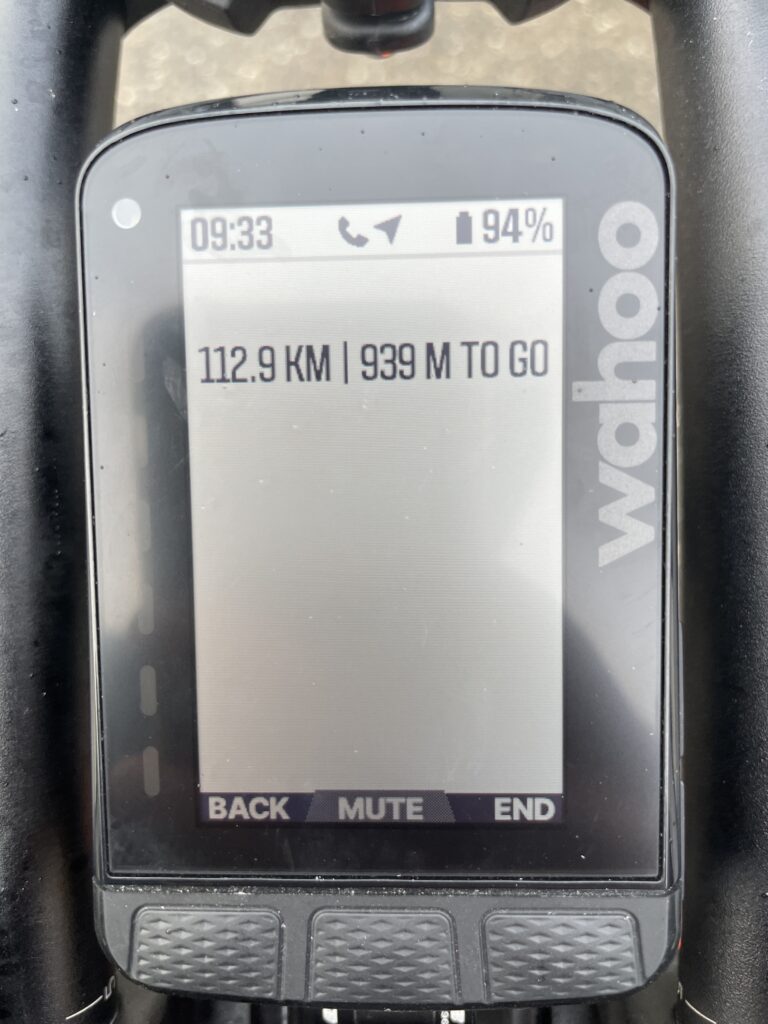
Since the unit was only six months old, I’ll admit I got a little angry. The one reason I bought it had effectively been updated away against my will. Rather than rewarding Wahoo for this type of behaviour and upgrading to the new Roam v3, I decided to switch to Garmin instead, especially since I’m already embedded in their ecosystem.
I’ve done a couple of rides with the Garmin Edge 1050 now, and from a usability standpoint, it works like a charm. Navigation is solid, my custom waypoints behave as expected, and so far it’s been exactly what I needed. It even plays nicely with my Wahoo Kickr, making it easy to log my indoor training on Garmin Connect as well.
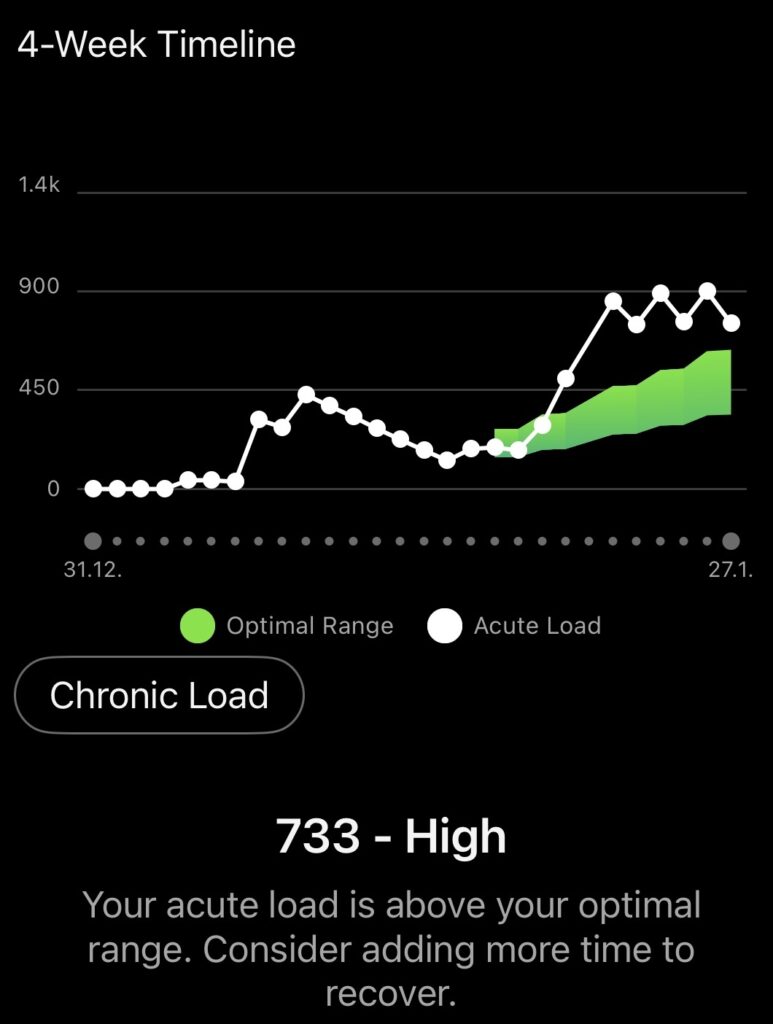
Even though I imported all my historical training data into Garmin, there’s a catch: because that data was recorded on a Wahoo, Garmin doesn’t seem to incorporate it into its training algorithms. As far as Garmin is concerned, I’m essentially starting from scratch.
The result is a steady stream of warnings about an excessively high training load after 2.5 hours on the Kickr and one 70 km outdoor ride. For context, that’s not even a smudge of what I was comfortably doing before the Christmas work chaos. Rationally, I know this is just an algorithm calibration problem. Emotionally, being told you’re overdoing it when you’re already behind is… not ideal.
Tandem Troubles
Against our expectations, we were able to pick up the tandem on the 20th of December, just in time to celebrate our anniversary the very next day. A quick 30 km test ride around the shop went flawlessly, so we took the tandem apart using the Z-couplers, packed it into the back of the car wrapped in a generous amount of bubble wrap, and drove it home.
Of course, we decided to take the tandem out for a proper ride on the next day to celebrate. Because tandem riding is still fairly new to us, and temperatures had been freezing, we opted to ride along the Rhine, avoiding steep climbs because of possible snow and ice.
The first 40 km went flawlessly. The weather was nice, and the even sun was shining. But after 40 km, the problems started. The front derailleur had trouble shifting the chain onto the large chainring, and by the end of the ride, we could only shift to the large chainring when the chain was on the smallest cog of the cassette.
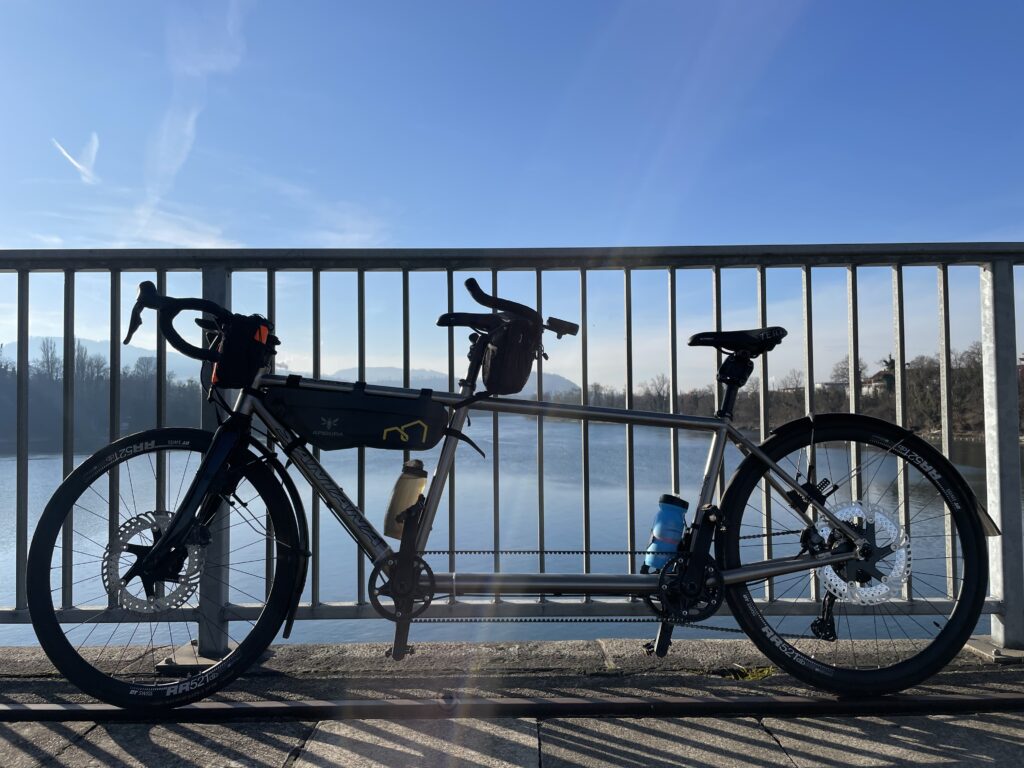
At first, I assumed it was a front derailleur issue. We transported the tandem by car, and I worried something might have pressed against it and nudged it out of alignment. But when we stopped to take a closer look, the real issue became obvious: the entire stoker drivetrain was wobbling.
We contacted the tandem shop, and to their credit, they reacted immediately and asked us to come by. The diagnosis was clear: the bottom bracket and axle had come loose. The mechanic tightened everything again, but there was a catch: the large chainring was already slightly bent, resulting in a wobble of a few millimetres when pedalling.
Since then, it hasn’t worked properly. The symptoms are frustratingly consistent. For the first 10 km, everything feels fine. As the bike warms up, a faint creaking starts. After around 50 km it becomes clearly audible, and by 100 km it’s bad enough that people turn their heads as we ride by, trying to locate the source of the noise. At that point, we have to stop riding. I’ve become increasingly convinced that this wobble is putting extra strain on the axle, causing the noise.
And… More Mechanical Fun
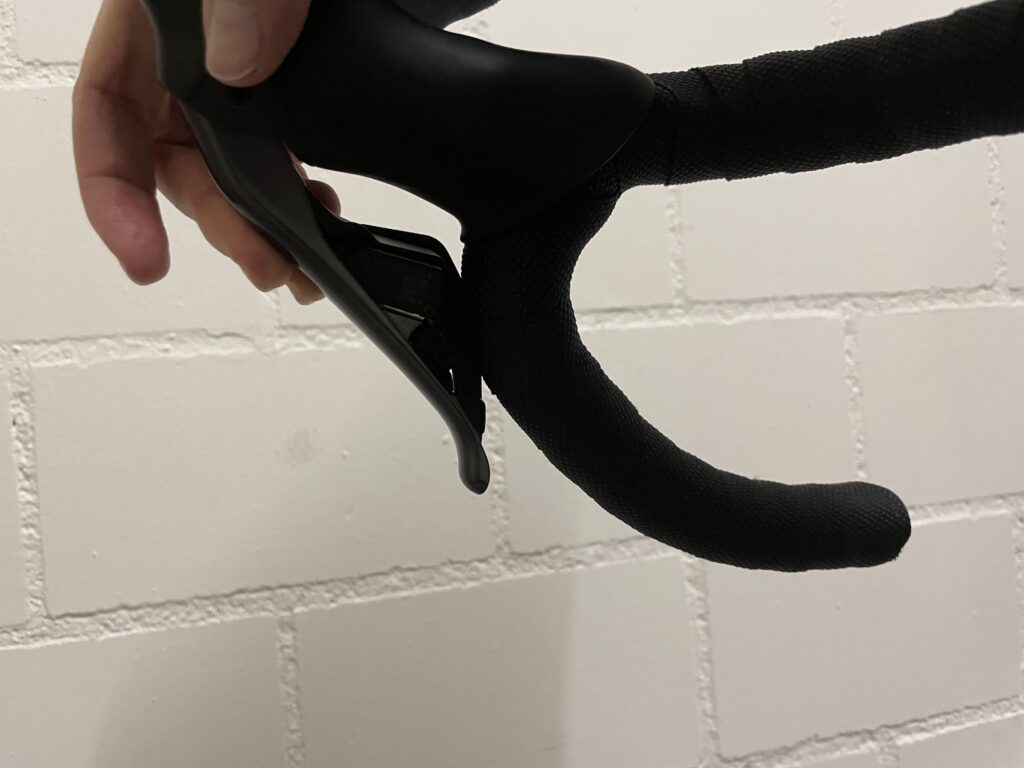
One more thing for the list: the right brake lever is no longer behaving properly. When pressed, it gets pulled back onto the drop bar, resulting in braking that isn’t 100% reliable. Another issue to fix. Another reminder that endurance cycling is as much about mechanical reliability as physical fitness.
Saddle Woes
As if that weren’t enough, I’m also fighting saddle issues.
With the Terry saddle that came installed on the tandem, I get a lot of pressure in the front, which makes me unconsciously tilt my pelvis backwards. The result is what can only be described as a “shrimp posture” on the bike: rounded back, tucked pelvis, and eventually abdominal and shoulder pain.
I swapped to the saddle from Rainbow Dash, hoping for relief, but the pain is still there. Next week’s plan: actively look for a new saddle before this turns into a chronic problem.
A Small Win: Custom Bags
Not everything this week was frustrating, though.
We ordered a custom frame bag for the tandem from Restrap. Because the stoker top tube is 65 cm long, a standard design would have meant a zipper just as long, and realistically, impossible to access at the far end while riding.
The team at Restrap were incredibly kind and helpful. They suggested adding a two-way zipper so the bag can be opened from either side. It’s a small detail, but exactly the kind of thoughtful solution that makes reaching things at both ends of the bag a breeze.
The Conclusion
I’ll be honest: the last few weeks have been disheartening.
The race is 14 weeks away, and it feels like we don’t really have time for all these setbacks. The mechanical issues, the saddle problems, one AI telling me not to train, and another AI yelling at me that I’m training too much, none of it has helped my confidence. All of these problems on their own don’t scream “catastrophic failure,” but they also don’t let me relax. They’re slowly eroding my trust in the bicycle. And on a tandem (especially with an ultra-distance race in mind) losing trust in your bike is not a great place to be.
That said, there’s one important reframe I keep coming back to: I’d much rather deal with all of this now than one week before the race. I just hope that 14 weeks is enough to fix everything and still leave enough time to train properly as a team on the tandem.
When you’re fighting a bear, you don’t stop when you’re tired, you stop when the bear is tired. There’s only one way to go from here: onward. Fixing one creak, one algorithm, and one saddle at a time.
I guess this is what preparation actually looks like. Not a smooth, Instagram-ready upward curve, but a messy process of fixing, adjusting, doubting, and continuing anyway.
I’ll catch you at the next one, and remember to keep the rubber side down!