Indoor Training update
This week I increased my indoor training sessions from 60 minutes to 90 minutes. Sixty minutes no longer felt like training. It felt like warming up before training, followed by disappointment.
I usually do not scrutinize my training data too closely. My internal rating scale ranges from “Did I even train?” to “I am actively dying of CO₂ narcosis.” That system has served me well for years, and against all odds has not yet resulted in death. Unfortunately, this week I opened Garmin Connect.
This decision would prove unwise.
Case Presentation of Electromagnetic Radiation Induced Paroxysmal Tachycardia (ERIPT)
(aka Schrödinger’s VO₂ max)
Introduction
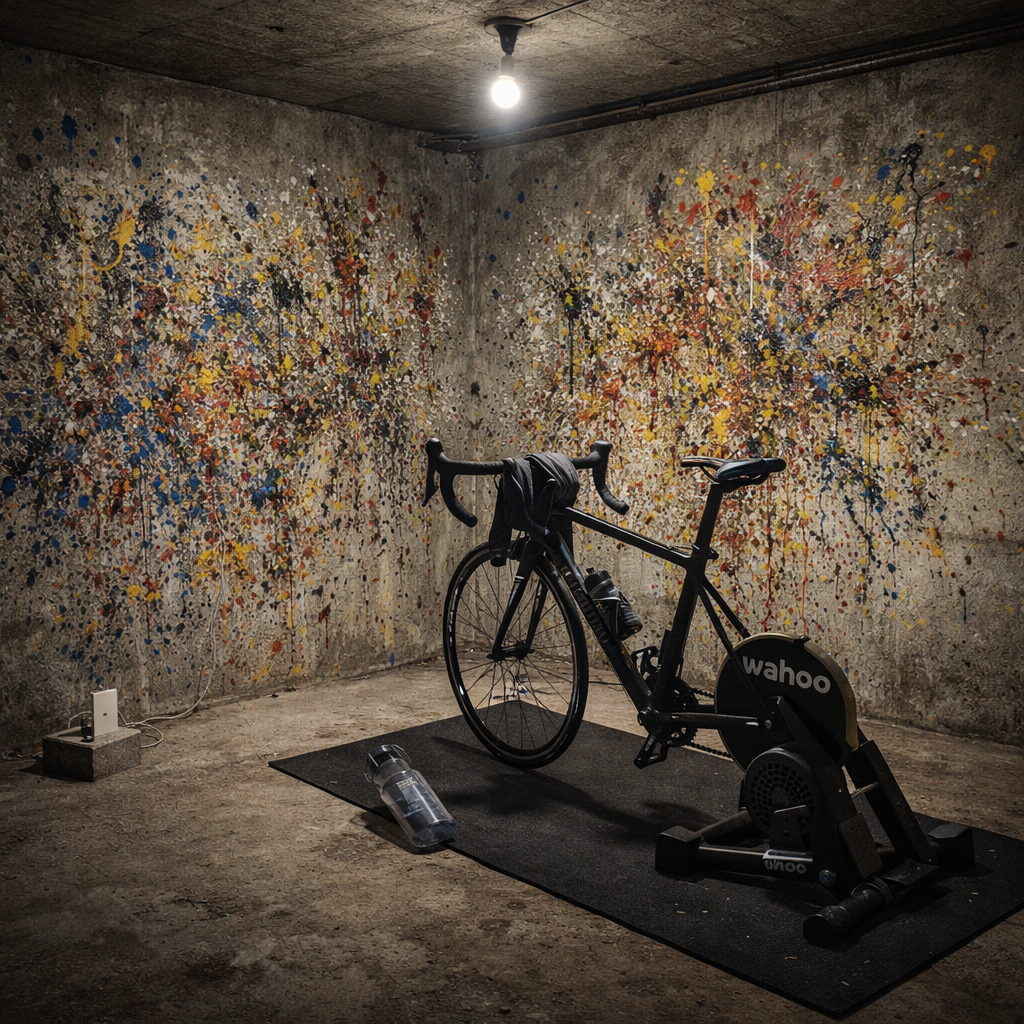
The subject is an endurance athlete in preparation for an ultra distance cycling event, training indoors in a cold cellar with the window open. This is done for thermoregulation to prevent the walls from becoming abstract art resembling a Pollock painting of sweat, tears, and other bodily fluids.
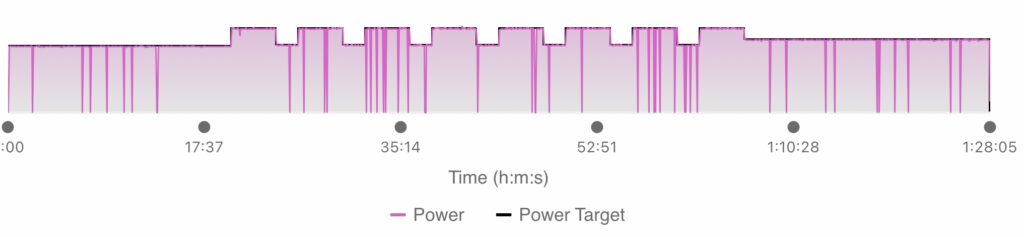
During multiple indoor cycling sessions, the subject noted intermittent power dropouts. Power would briefly fall to zero for several seconds before returning to baseline. Cadence remained stable. Trainer resistance was unchanged. The body continued cycling, entirely unconcerned.
The subject initially dismissed the phenomenon. Muscles do not read screens after all.
During a 90 minute session on Wednesday, power dropouts became frequent enough to provoke irritation. The subject initiated a diagnostic workup via internet forums, a step known to worsen outcomes.
The below graph was included to prove the subject was not hallucinating due to severe bonking.
Investigations
Extensive reports on Garmin forums described similar issues. Proposed etiologies included dual pairing of the trainer as both power meter and smart trainer. Device settings were checked, unpaired, re-paired, and spiritually threatened. No improvement occurred.
Using the trainer as a power meter only was suggested. Upon testing, ERG mode was lost and manual wattage adjustment became necessary. This option was rejected on moral and psychological grounds.
At this stage, the subject was cold, annoyed, and increasingly convinced that technology was gaslighting them.
Intervention
Further investigation revealed a proposed cause: interference between ANT+ and 2.4 GHz WiFi signals.
The subject expressed disbelief. However, with no alternatives remaining and while visibly shivering, the subject unplugged a WiFi extender located in the cellar and removed all electronic devices from the room, essentially rendering it a prehistoric suffer cave.
In 2026, this action feels radical. Possibly criminal.
The subject resumed cycling for 45 minutes.
Results
The temporal association between intervention and resolution was considered compelling, as shown in the graph below.
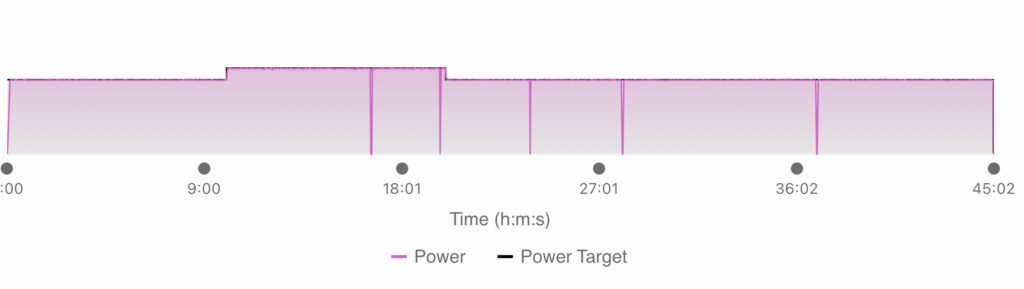
The remaining rare power dropouts were attributed to trace WiFi signal from the router upstairs, comparable to background radiation but less useful.
Garmin increased the subject’s VO₂ max estimate by one point following a single, objectively meager 45 minute ride. This represents the fastest training adaptation the subject has ever experienced.
No adverse events occurred. The subject experienced emotional validation and mild hostility toward household networking infrastructure.
Secondary outcomes
Heart rate dropped by approximately 10 to 20 bpm at identical workloads. Heart rate traces now closely resembled outdoor training data. The subject uses a Polar H10 heart rate monitor, widely regarded as highly sensitive. This sensitivity may extend beyond physiology into metaphysics.
Historically, the subject had recorded indoor heart rates of 150 to 160 bpm while breathing comfortably through the nose, leading to existential confusion. On one occasion, the subject terminated a workout due to heart rates between 160 and 175 bpm at approximately 120 watts, despite the absence of dyspnea or distress.
With WiFi removed, these abnormalities resolved.
Discussion
We propose a novel entity: Electromagnetic Radiation Induced Paroxysmal Tachycardia (ERIPT).
This condition is characterized by:
- Sudden tachycardia during low intensity exercise
- Absence of subjective exertion
- Normal breathing patterns
- Resolution upon removal of nearby WiFi devices
The pathophysiology likely involves sympathetic overreporting by electronic devices rather than true cardiovascular pathology.
This phenomenon creates a unique training state in which the athlete is simultaneously performing Zone 2 exercise and a VO₂ max workout, depending entirely on whether the data is observed. This phenomenon may be described as Schrödinger’s VO₂ max.

Ethics Statement
The subject did not consent to participation, data analysis, publication, or humor at their expense. Ethics committee approval was neither sought nor expected. The subject later laughed and wrote this blog. This was deemed retroactive consent.
Conflicts of Interest
The author declares conflicts with:
- WiFi extenders
- ANT+
- Garmin Algorithms
- Reality
Conclusion
Electromagnetic Radiation Induced Paroxysmal Tachycardia (ERIPT) is a benign but deeply irritating condition affecting indoor endurance athletes. Recognition may prevent unnecessary anxiety, cardiology referrals, premature workout termination, and existential physics crises.
If, cycling gods forbid, the subject must withdraw from their target event, electromagnetic interference leading to acute ERIPT will be listed as the official cause.
Gear update
Custom Frame Bag
After waking up on Monday and checking my email in bed like the dopamine junkie that I am (a habit I really should address at some point), I found the most delightful message in my inbox: our custom tandem bag had been shipped by Restrap!
This triggered an entirely reasonable response, namely refreshing the tracking page every five seconds and achieving a truly impressive level of mobile data usage this week. No regrets. This is what joy looks like when you have no life outside of work and spend all your free time clad in lycra.
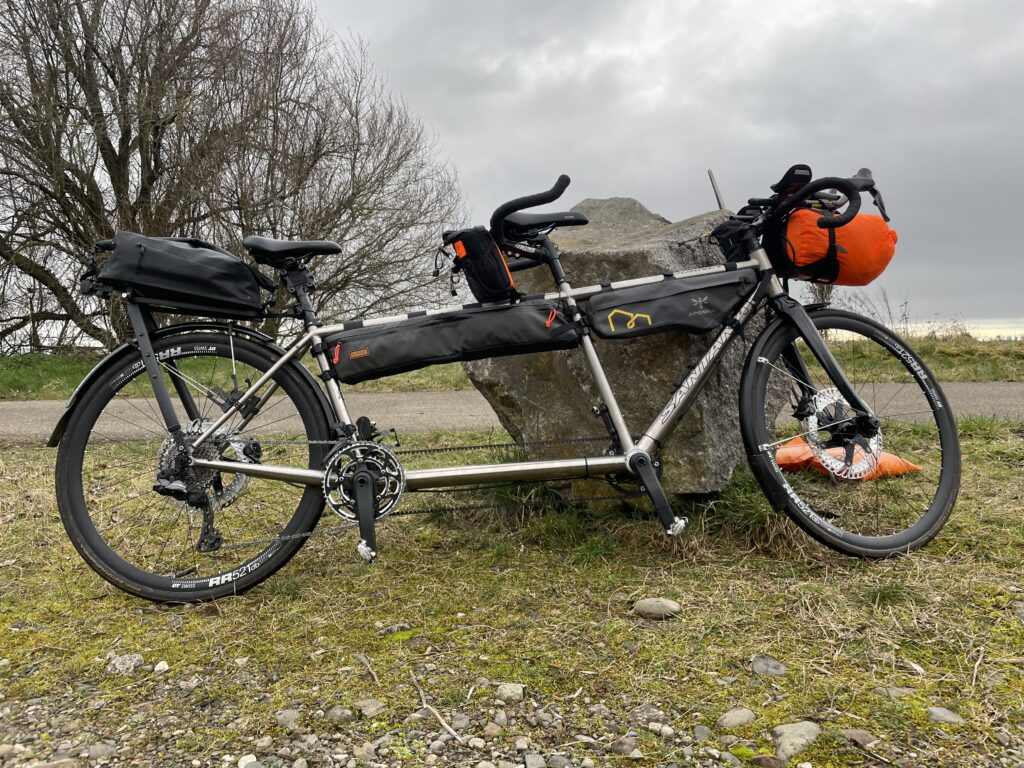
The bag arrived and, my dearest reader, it fits like a glove.
Words cannot adequately express how happy I am with this bag. The zipper opens from both sides and can be operated easily with one hand. It does not get stuck halfway. It does not fight back. It understands its role.
I have developed an emotional attachment to this bag. This is the cycling equivalent of a designer handbag moment. I want to carry it everywhere, including situations where a frame bag is neither useful nor socially acceptable. This is not gear. This is attachment. Possibly pathological.
End verdict: HUGE EPIC WIN.
Garmin Power Mount
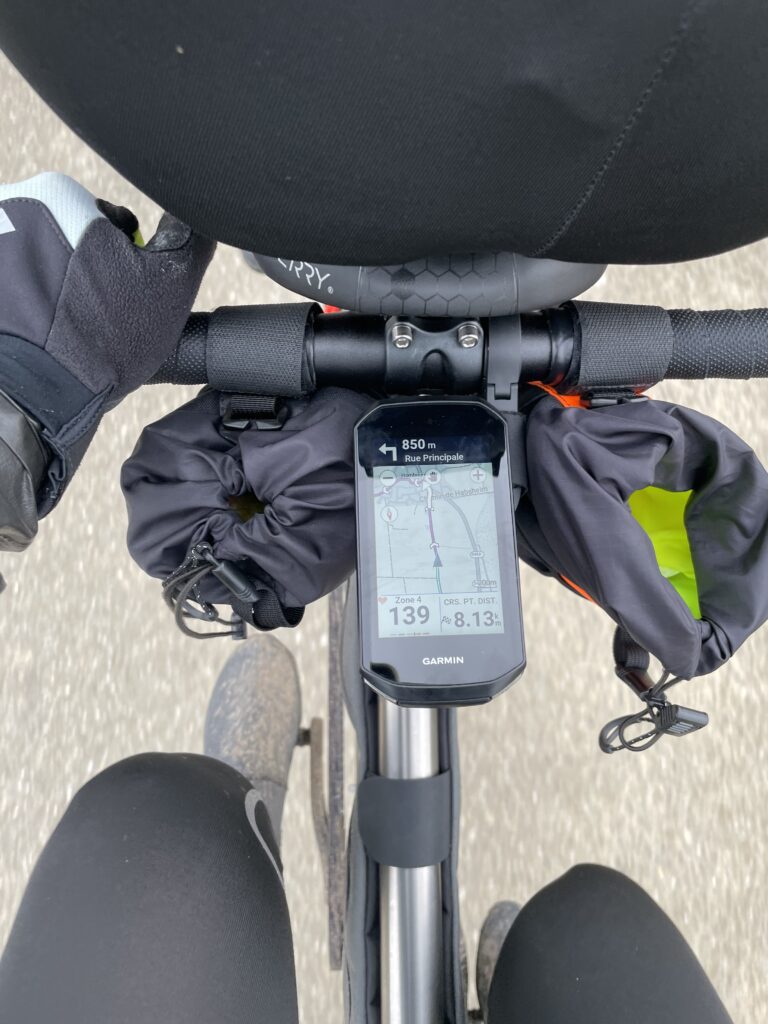
Last week I wrote about Garmin making a love child between a handlebar mount and a charging system: the Garmin Edge Power Mount. This week we got to test it on our 160 km ride. Spoiler: It works like a charm.
You put the Garmin in, hook it up to a power bank, and off you go with nearly unlimited battery life. This is the dream. This is what battery capacity was supposed to look like.
I use a Nitecore power bank and had to set it to low power output because the Edge draws so little power that the power bank otherwise refuses to cooperate. I genuinely love this.
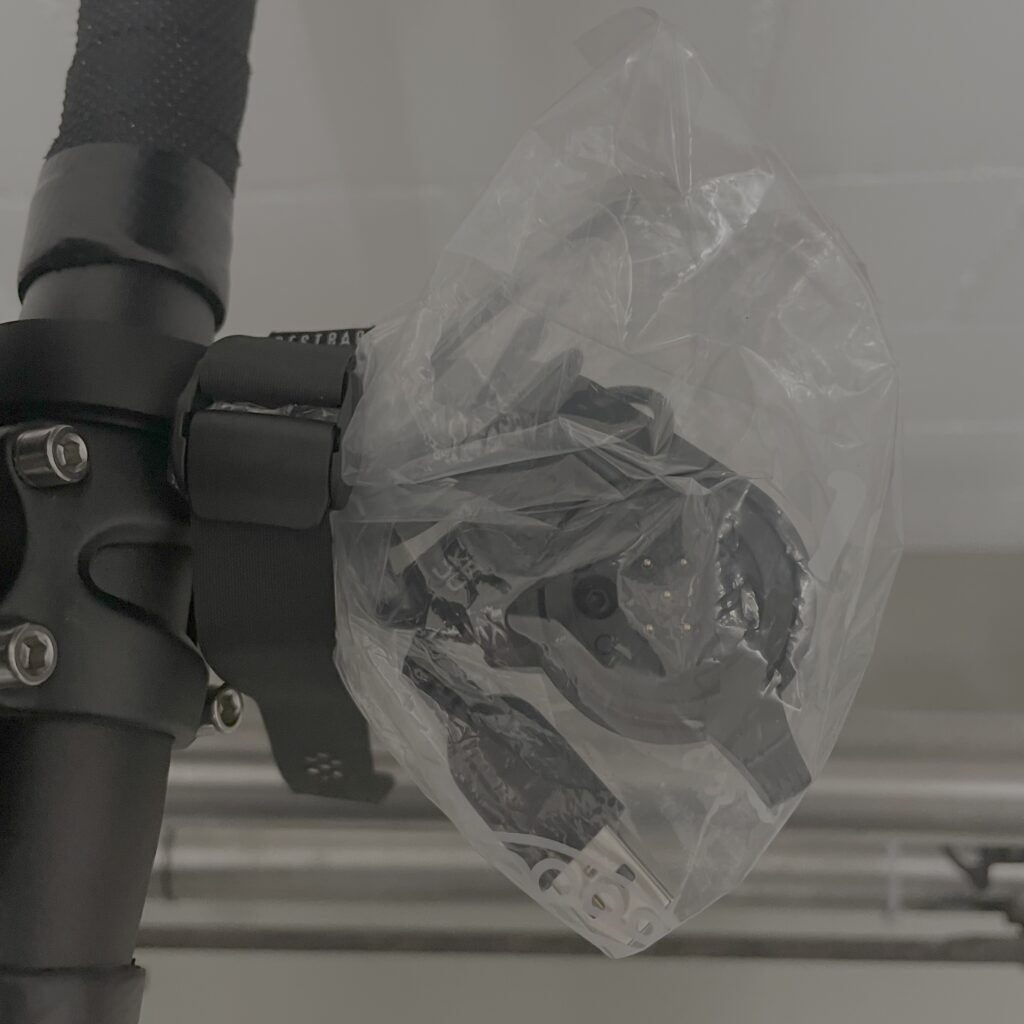
There is only one downside, and that is during transport. The mount and cable are exposed, and if you put the bike on the back of the car, the cable will flop around in the wind and everything will get thoroughly marinated in road tea.
I found a simple solution. Plastic bag.
End verdict: huge epic win.
Saddle Update
Last week I committed my third cycling cardinal sin and swapped my Bontrager saddle for a softer one from Terry. I took the saddle out for our 160 km ride, fully intending to evaluate it. Truth be told, I forgot about it entirely until about 140 km into the ride. Literally forgot.
The saddle was so comfortable and so completely out of my way (do not worry, it remained under my ass at all times) that it simply did not register.
At around 140 km, while battling strong headwinds (see outdoor training update below), I noticed my upper legs were starting to rub against the saddle edges, causing some mild discomfort and chafing.
All in, the saddle is excellent. Just slightly too wide. I did buy the widest version available (12 to 16 cm), so next week I will order the same saddle in a normal width.
End verdict: almost perfect.
RATN update
This week I officially planned the first 200 km of the Race Around the Netherlands (RATN).
Last week I glued all GPX files together into one massive RATN route, then cut it back into 200 km sections. I have found that around 200 km is the sweet spot. With shorter routes you are constantly switching files, and with longer ones the navigation unit tends to panic, lose confidence, and stop giving navigational cues altogether. A kind of information overload followed by brain freeze. Relatable, I admit 😉
Over the past two years we cycled parts of the route and I kept those files, including marked points of interest. You would think this saves me a significant amount of time this year. Spoiler: it does not. It mainly gives me more things to second guess.
The core of the problem is embarrassing but simple: I am deeply afraid of messing something up. This has resulted in me starting over more times than I am willing to admit. I triple question every single decision, as if I am planning a tactical SWAT team operation in hostile territory rather than a bike ride through the Netherlands.
It feels real now. Critical. It is actually happening. And I would very much prefer not to ruin it by bad planning.
At some point I decided it simply had to start happening. I planned the first route and added the POIs we used previously. I will proceed using this method until I run out of GPX files or mental coping mechanisms, whichever comes first.
Weekly outdoor ride: Niffer give up
This weekend we planned an outdoor ride of 160 km (100 miles), starting at Niffer, France, looping through the countryside.
That town name is objectively brilliant.
The last time we cycled here, we did 142 km (88 miles) through winter rain. Marco refers to that ride as “Niffer Forget.” I have lovingly decided to dub this week’s ride “Niffer Give Up.” No further explanation required.
An ultra ride is generally defined as any ride of at least 160 km (100 miles) or 6 hours. This would be our first official ultra ride on the tandem. While we are ultra veterans by now (cough), the furthest we have cycled on the tandem is 142 km (88 miles), which is approximately halfway there for a RATN stage. This weekend would therefore serve as both a training session and a psychological and mechanical assessment of our Limousine.
So on Sunday, after hitting the snooze button for a solid 30 minutes, we crawled out of bed at 6:30 am, got dressed, had breakfast, loaded the tandem onto the car, and off we went.
The weather forecast was wonderful. Some sunshine, some clouds, maybe a few raindrops along the way, with a low of 6°C (43°F) and a high of 13°C (55°F). Significantly better than last time’s deluge.
We quickly loaded the bags onto the tandem, locked the car, and rolled off. As we pushed off, I noticed how accustomed I had become to riding the tandem together. What initially felt slightly terrifying now feels almost second nature.
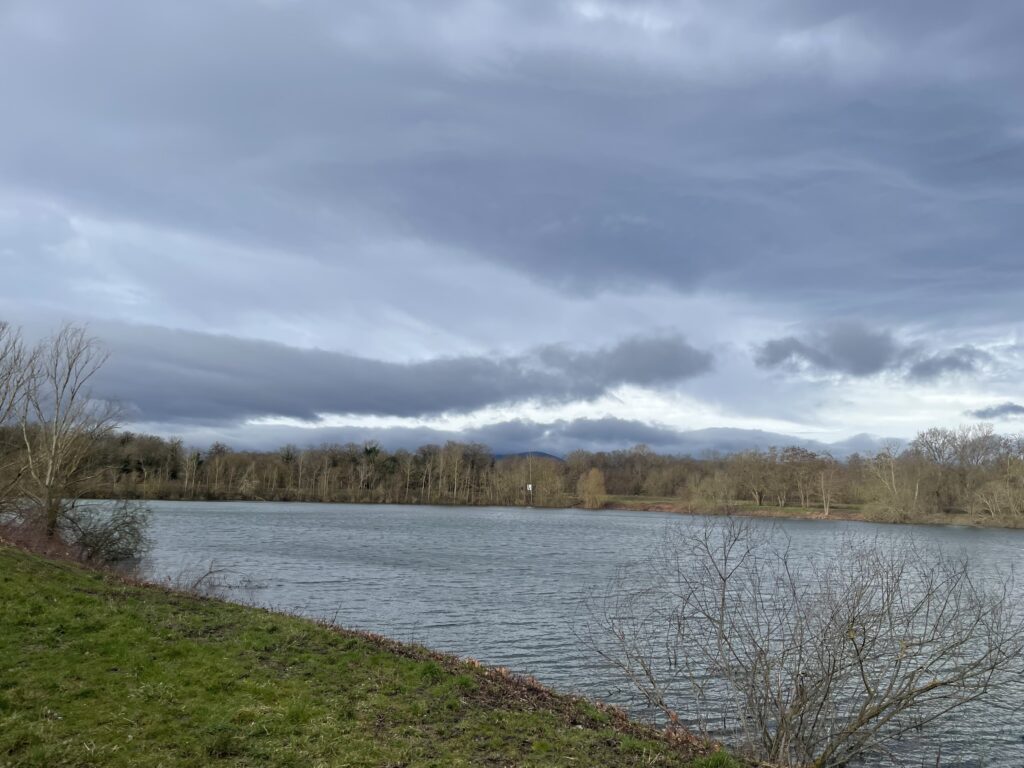
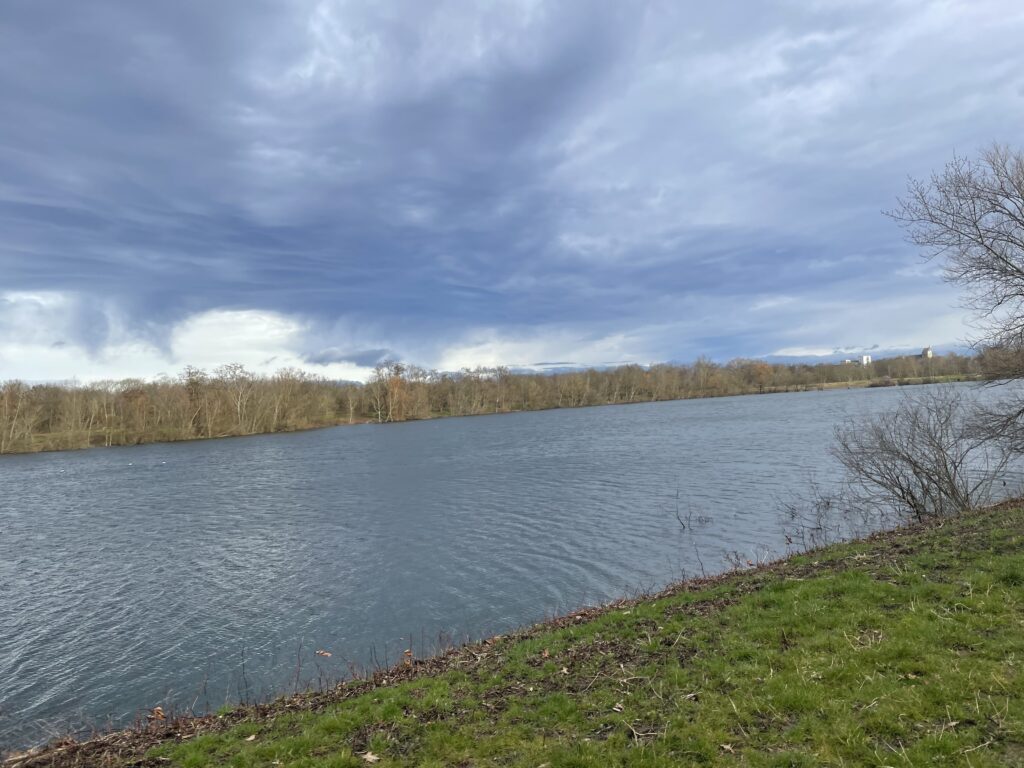
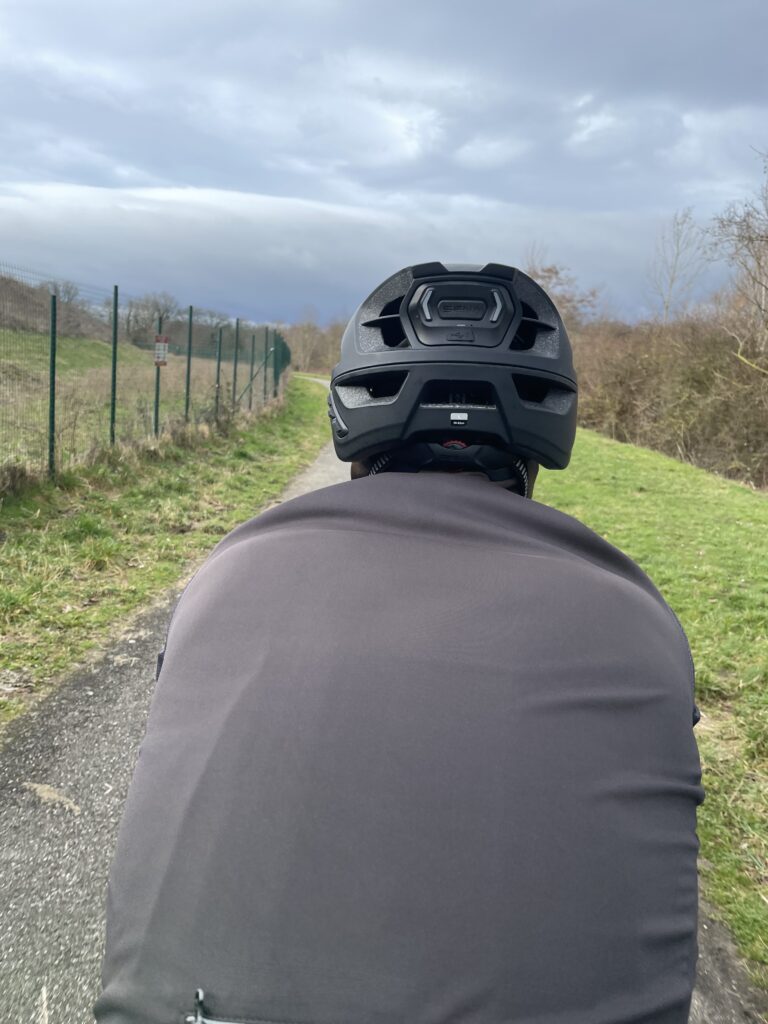
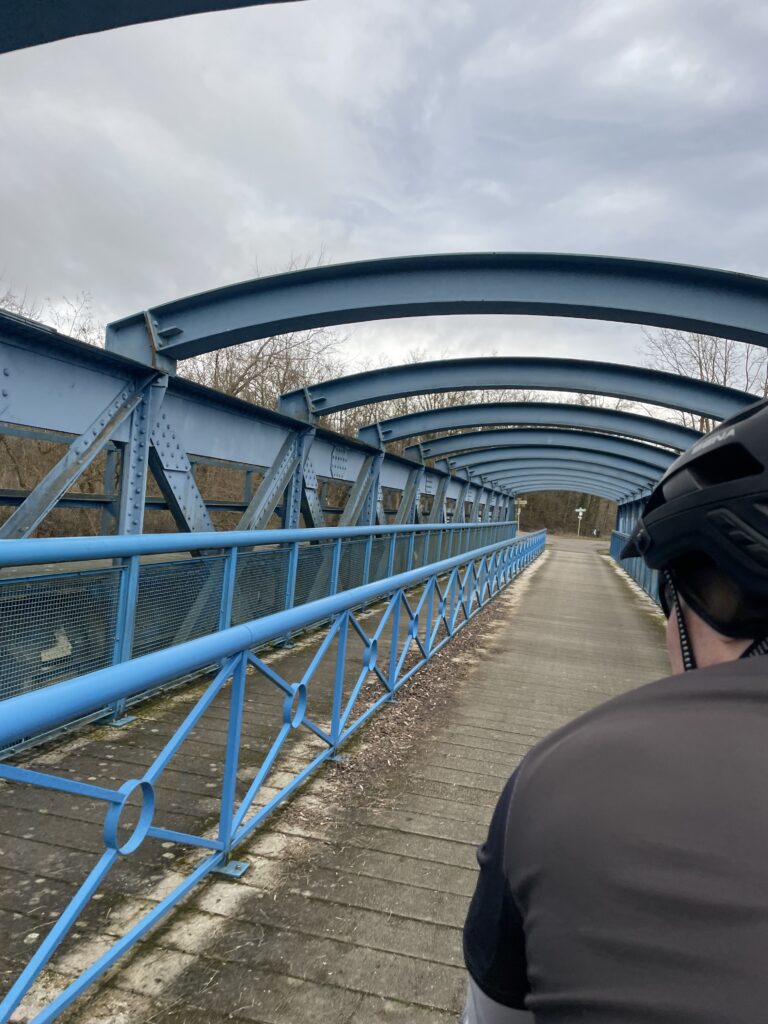
We started off strong and easily reached the first planned stop at Ensisheim. Since neither of us was hungry, and the boulangerie was nowhere to be found, we decided to push on to the next town and eat there instead. I stuffed some wine gums into my face, and Marco was delighted to discover leftover pepernoten from our previous ride.
We arrived at the first proper stop in Soultz-Haut-Rhin about 58 km (36 miles) in without any issues. We were hungry and very happy to see that the bakery was open. I promptly consumed a large slice of pizza followed by a chocolate éclair. Normally I avoid fat heavy foods on the bike because fat slows gastric emptying, and slow digestion is not something I actively seek while cycling. That said, I was hungry, and the pizza looked excellent. Marco also had a slice of pizza and an apple strudel.

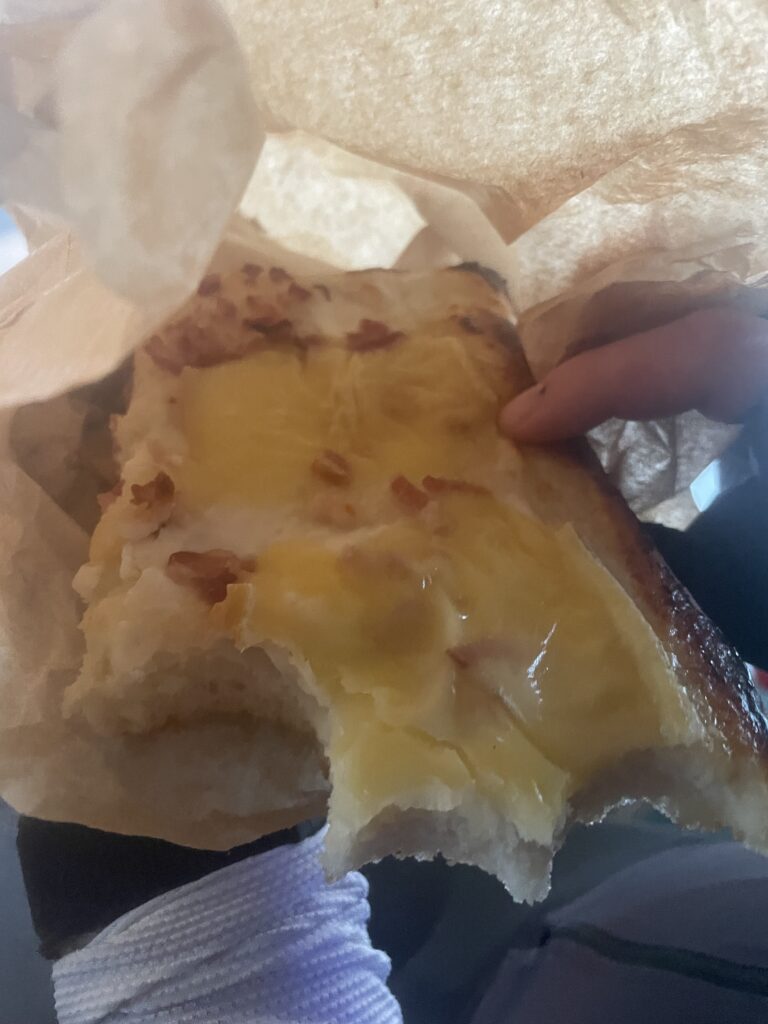
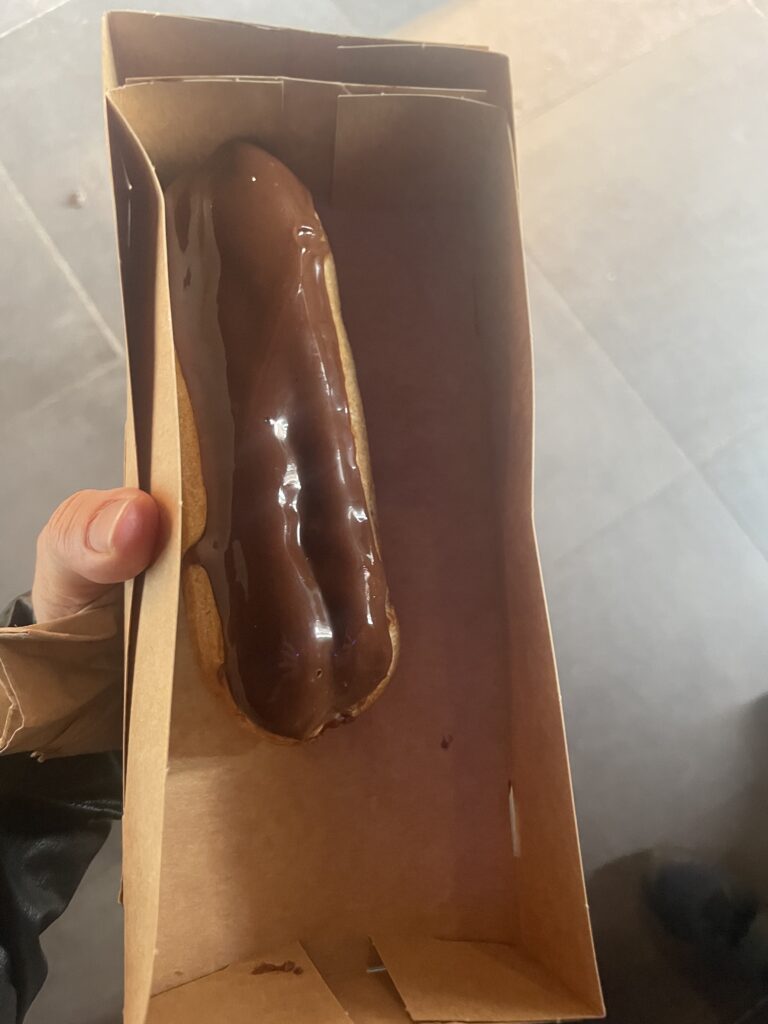
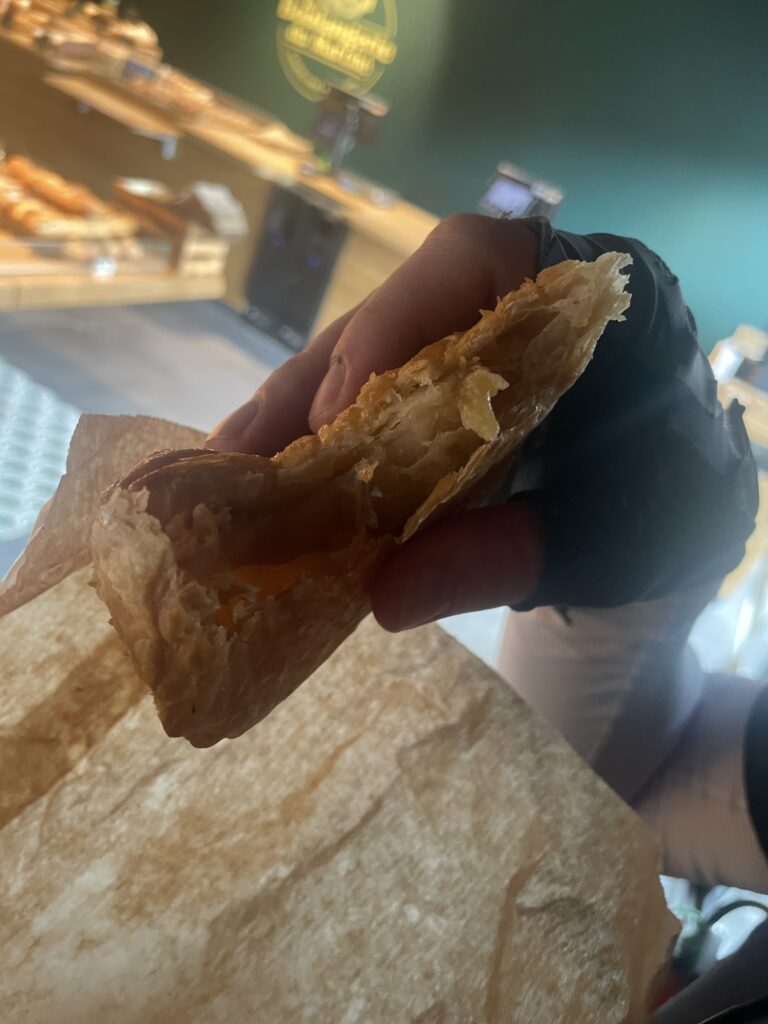
Fearing we would not reach the closing time of the boulangerie in Colmar (12:30h), we packed some extra food for later. I stuffed a chocolate croissant into my feed bag, and we added bread with Parmesan and olives to our supplies.
Once back at the Limousine, I noticed my Garmin had decided to save the first part of the route. Since I was wearing clothing without jersey pockets, I likely stopped and saved the activity when putting the Garmin into Marco’s pocket. The data was saved, so no harm done.
The ride was wonderful. At one point, cruising along at 48 km/h (30 mph), we noticed a strong tailwind pushing us toward Colmar.
We missed the Colmar bakery deadline by about 10 minutes, but this was not tragic as we were still well fueled from the previous stop.
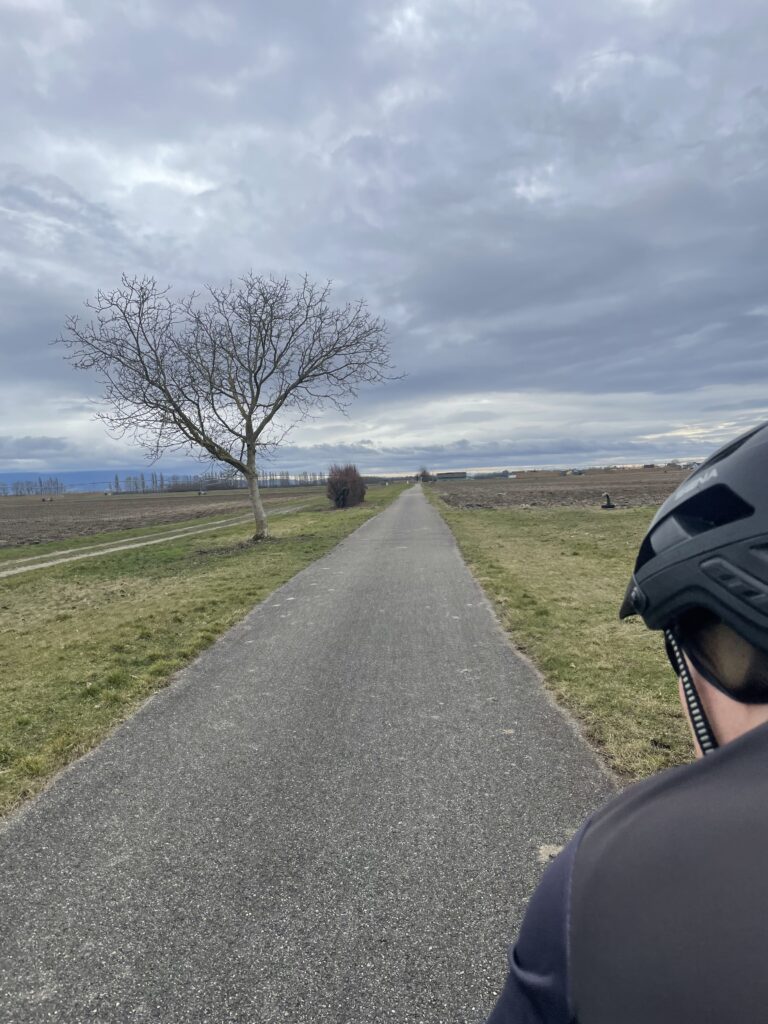
Leaving Colmar, we headed east, and that is where the wind decided to fully introduce itself. We were riding into wind force 6 with gusts up to 7 (approximately 40–60 km/h / 25–37 mph), hitting the tandem at nearly a 90° angle. The wind was strong enough that I could feel the tandem riding at a slight angle. Marco had to put in considerable effort to keep us moving in a straight line.
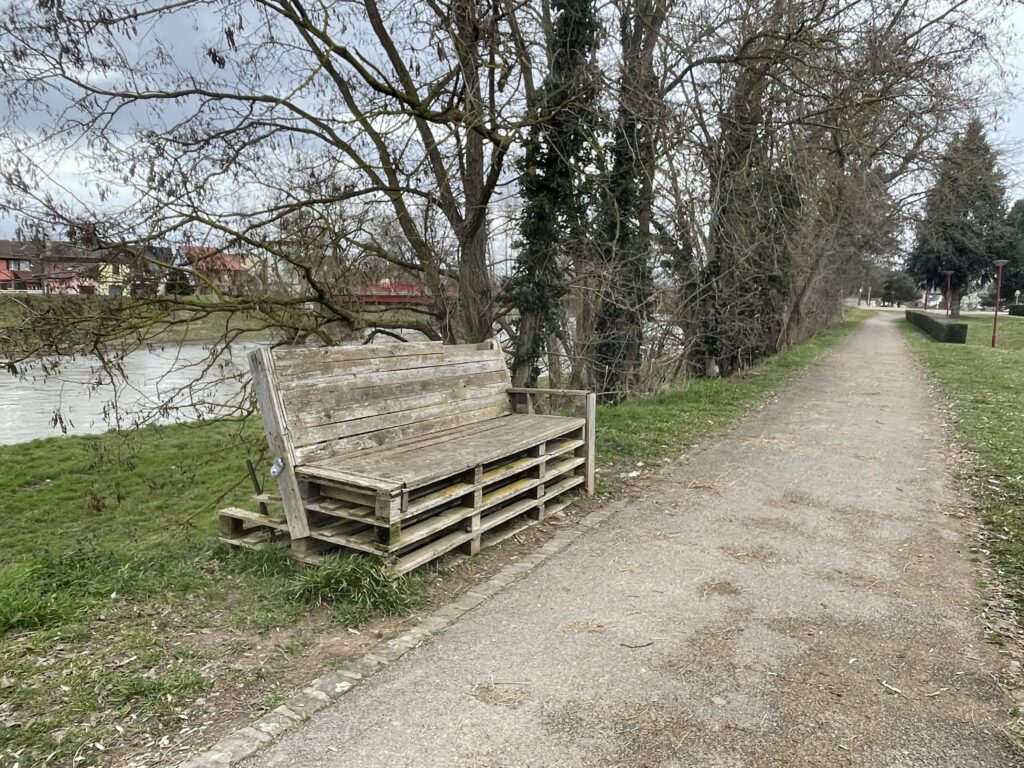
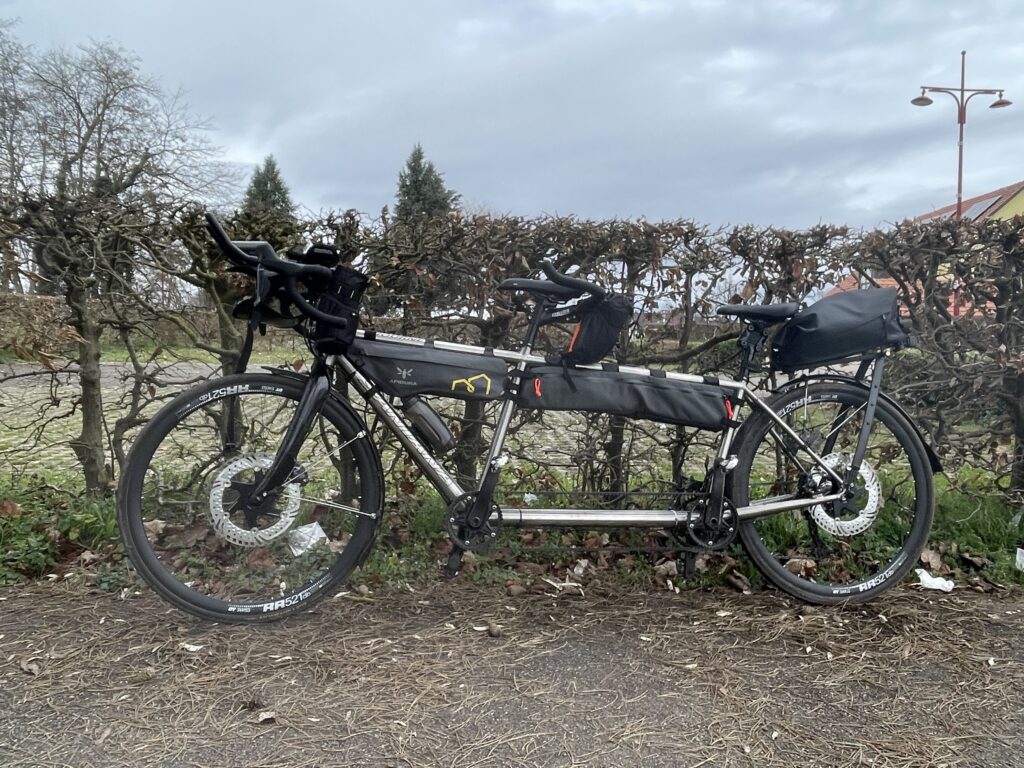
We took a short extra break a few kilometers later in Neuf-Brisach, a village with a surprisingly nice layout and, crucially, a boulangerie that was still open. We grabbed a small snack and continued. It was around this time that it started raining lightly.
After leaving Neuf-Brisach, we turned south and were hit by the full force of the wind again, now coming from about a 10° angle to the right. Despite wind force 6 with gusts up to 7, we still managed an average speed of around 20 km/h (12 mph). Not bad.
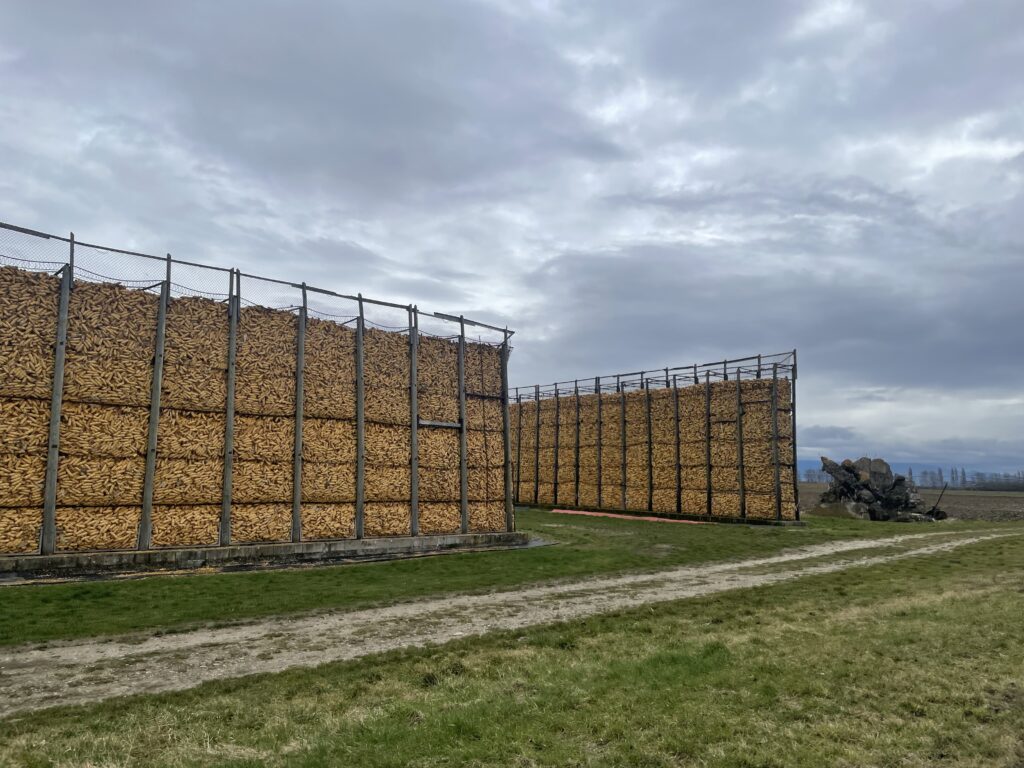
We came across some kind of walls filled with corn, does anyone know what this is?
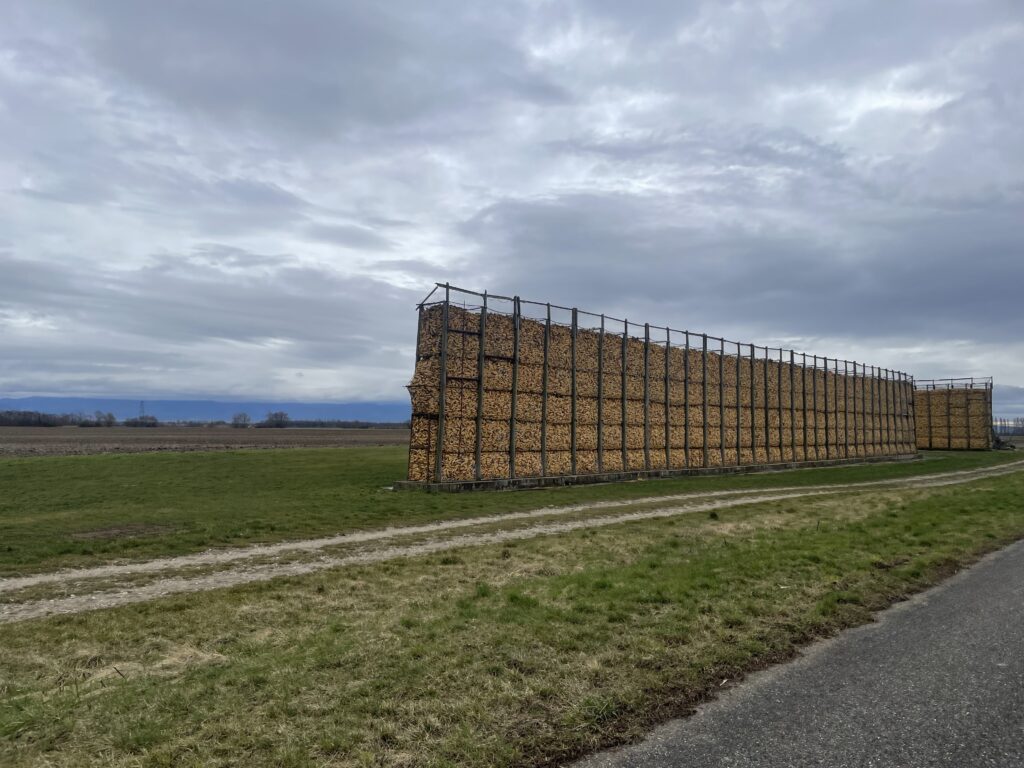
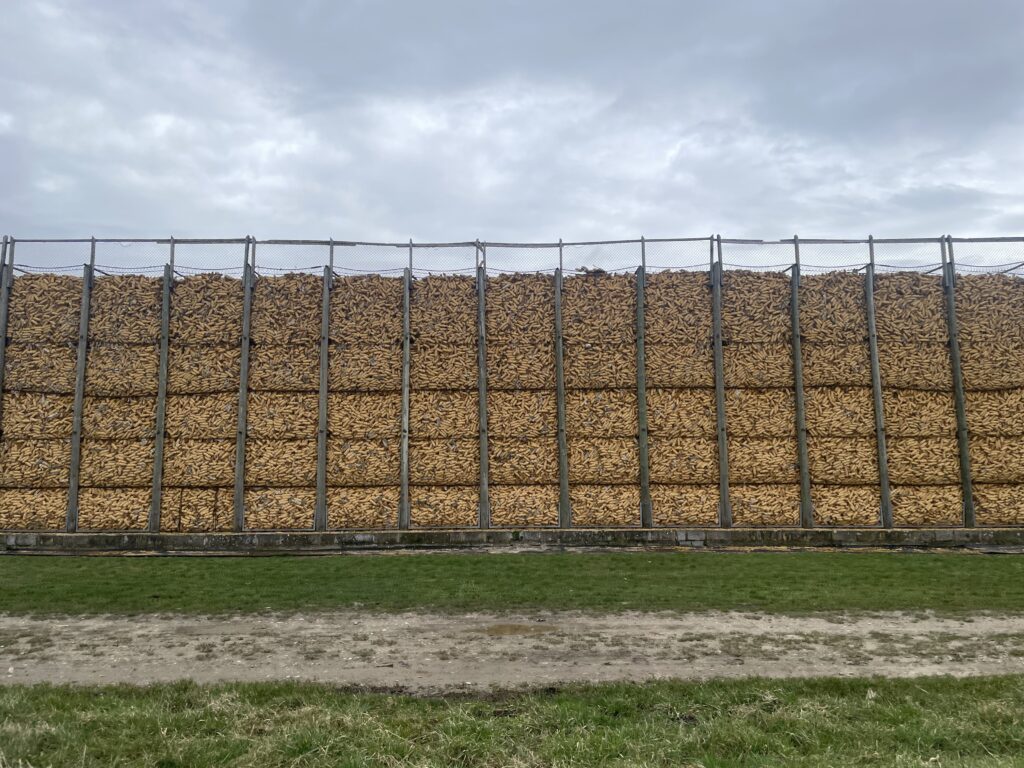
Between 120 and 140 km (75–87 miles), I started to notice my upper thighs rubbing against the saddle. The increased effort against the wind likely made this more noticeable. What was blissfully absent, however, was sit bone pain. This strongly suggests that switching to a softer saddle may indeed be the right solution for me.
Conclusion
We completed the full 160 km (100 miles). The tandem behaved impeccably. Nothing loosened, nothing broke, and no unexpected mechanical or psychological events occurred. The bag is a dream and so is the Garmin power mount. The only thing left to tweak is the saddle.
Most importantly, the ride felt controlled. Hard, yes, but manageable. The Limousine handled the distance, the wind, and the load without complaint, and riding together now feels familiar rather than novel. This ride was a long, steady validation that the tandem, the setup, and the system as a whole are capable of what lies ahead.
There is still a great deal of work to do. But this weekend answered an important question. We can do this. Further evidence pending.
Final Note
My dearest reader, that wraps up this week’s blog post. May your FTP rise faster than your heart rate, your VO₂ max exist in one state only, and remember: it is not you. It is electromagnetic interference.